Understanding Anxiety Disorders, Worry, & Rumination
In Australia during 2020 to 2022, anxiety disorders were the most commonly recorded mental health problem. Social Anxiety Disorder, Agoraphobia, Generalised Anxiety Disorder, and Panic Disorder were the most prevalent diagnoses (Australian Bureau of Statistics, 2023) and while there are subtle differences between them, they share overlapping and often debilitating symptoms. Core features include excessive anxiety, fear, worry, and behavioural disturbances, such as avoidance of feared situations. Panic attacks and ongoing issues with rumination can also be prominent and distressing features for some people, drastically impacting daily life, work, study, relationships, and overall wellbeing (American Psychiatric Association [APA], 2022). Fortunately, there are several evidence-based treatment strategies available, with the most well-known and researched coming from Cognitive Behavioural Therapy (CBT).
This article provides information to help understand what an anxiety disorder is and how to recognise some of the most prevalent types. It will also briefly define rumination and cover common questions, myths, and misunderstandings relating to anxiety throughout. Finally, guidance when it could be time to seek formal support from a clinical psychologist for anxiety or worry and what some of the different treatment options are will also be provided at the end.
As with all articles on this website, this information does not constitute personalised advice or replace individual guidance from your own mental health professional. Instead, information is for educational purposes to increase awareness of psychological strategies available to help improve management of mental illness and long-term mental health. This also makes use of some AI-generated images created with Grok by xAI for illustrative purposes.
What is an Anxiety Disorder?
Anxiety disorders are a group of mental health conditions characterised by excessive and persistent fear, worry, and anxiety that cause significant distress or impairment in daily functioning. These disorders are frequently accompanied by behavioural changes and disturbances which negatively impact quality of life and can be disabling (Andrews et al., 2018; APA, 2022).
Anxiety disorders are among the most common psychiatric disorders that can affect anybody (Andrews et al., 2018), so prompt identification and distinguishment from ‘normal’ anxiety is important to prevent harm. Despite this, there remains substantial under-recognition and under-treatment of anxiety disorders, with symptoms often minimised (Barlow, 2014) or mistakenly attributed to physical causes (Bandelow & Michaelis, 2015; Locke et al., 2015). A common example is during emergency department presentations for cardiac complaints, where some individuals only learn about anxiety or panic attacks for the first time (Fisher et al., 2025; Greenslade et al., 2017).
Diagnosis is approximately 1.5 to 2 times more likely in females and often first develop in childhood or adolescence and persist into later life if left untreated (APA, 2022; Bandelow & Michaelis, 2015; Henderson et al., 2023). Perhaps counterintuitively, Generalised Anxiety Disorder has been found to be significantly more prevalent and impairing in high-income countries compared to low- or middle-income countries, with Australia recording the highest prevalence rates, closely followed by New Zealand and the United States in one study (Ruscio et al., 2017). Again, despite formal support options being available in these developed countries, many people with anxiety disorders do not seek professional treatment for years. This appears partly due to under recognition of the level of dysfunction, dismissal of the extent of the issues, and importantly, the effects of the disorder increasing anxiety about seeking treatment which becomes a barrier in itself (Andrews et al., 2018; Bandelow et al., 2017; Barlow, 2014).
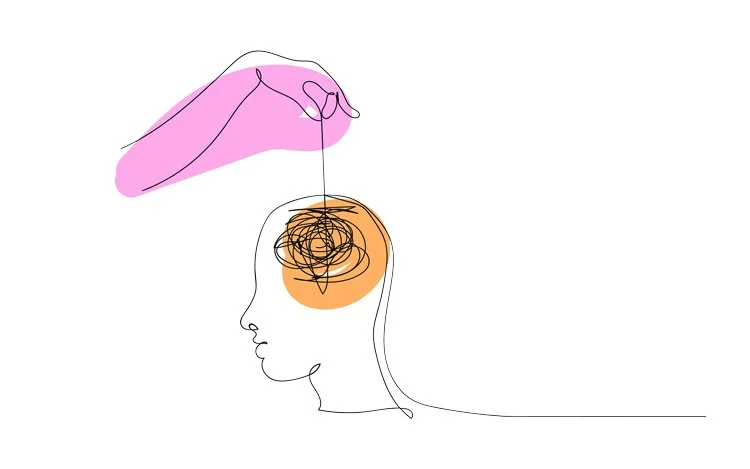
How do you tell ‘normal’ anxiety apart from an anxiety disorder?
In the diagnostic context, what excessive means for an anxiety disorder compared to the normal, typically stress-induced anxiety or fear that people experience, is that the intensity and quantity of the emotions are usually significantly greater and also out of proportion to any actual threat posed by the situation. This translates the anxiety or worry into a more severe and overwhelming experience that is activated by a broader scope of situations or in additional areas of life. To others, and even the individual experiencing it, this can seem irrational or illogical, but this is what is meant by the anxiety being out of proportion to the perceived threat, that the level of anxiety felt is more prominent than would be expected.
The other factor is the persistent nature of anxiety disorders, which means that symptoms and emotions can also last for an excessive amount of time and arise more frequently. For a formal diagnosis, typically symptoms are required to last for 6 months or more and occur on most days before being considered as a disorder. This often reliably distinguishes normal anxiety from an anxiety disorder, as the former may resolve relatively quickly without intervention, whereas the latter frequently become self-sustaining and persevere over time. To increase diagnostic accuracy, symptoms need to be carefully evaluated to determine that they are not attributable to substances, medication, another medical condition, or better explained by another mental disorder. This can be challenging to accurately determine and is best performed by a qualified mental health professional, as anxiety disorders are highly comorbid with other mental health conditions which may share similar or overlapping signs and symptoms, masking their true origin.
The behavioural changes frequently observed in anxiety disorders can also help distinguish normal anxiety from an anxiety disorder, as changes typically represent maladaptive or unhelpful patterns of behaviour which were developed in response to the persistent uncomfortable emotions felt. Behavioural changes are usually attempts to prevent, reduce, or cope with the discomfort, and at first, they may appear to be beneficial or logical as they can provide some short-term relief, but ultimately, they routinely maintain or worsen anxiety over time. Some individuals may even have insight into this negative feedback loop yet find it problematic to change.
Examples of common, initially unintentional behavioural changes may include:
avoidance of situations or triggers, such as social withdrawal or isolation due to gradual reductions in contact with others
emotional suppression, numbing, or denial to prevent experiencing uncomfortable emotions or maintain a social image
chronic procrastination, self-sabotaging, or self-handicapping due to worrying about and trying to avoid failure
perfectionistic, overcontrolling, or demanding behaviours attempting to maintain control or remove possibility of criticism
constant hypervigilance and scanning for threats to prevent possible judgement, becoming a target, or vulnerability
increasing use or reliance on substances to attempt to control anxiety, worry, or to relax (e.g., alcohol before social events or sleep)
Frequently these behavioural changes unintentionally reinforce the cycle of anxiety by trading the opportunity to learn that a feared outcome is unlikely to occur or tolerable if it does, for a short-lasting sense of relief. A common example in social anxiety is avoiding going to social events due to feeling anxious and worried about not knowing anyone, what to say, or being socially awkward. In the short-term the person gets to feel relief that they do not have to go; however, the long-term trade-off is never giving themselves a chance to get more comfortable, meet people, learn interesting topics to talk about, develop social skills, or actually have fun and enjoy themselves.
Unfortunately, this avoidance perpetuates the cycle of anxiety through one of the most powerful learning mechanisms of negative reinforcement and over time often deteriorates further, leaving the person increasingly sensitive and more highly activated by, and fearful of normal, everyday situations. This pattern is also commonly seen in other mental health conditions, such as Post-Traumatic Stress Disorder (PTSD), Obsessive Compulsive Disorder (OCD), Attention Deficit Hyperactivity Disorder (ADHD), and Autism Spectrum Disorder (ASD). Additionally, safety behaviours are also commonly seen which tend to be conscious behaviours that are attempting to prevent certain feared catastrophes in specific situations.
Common examples of these more intentional safety behaviours may also include:
endlessly rehearsing conversations, overpreparing, or repeated checking before social interactions, meetings, or leaving the house
only sitting near exits, in corners of rooms, or preplanning escape routes and excuses to be able to suddenly leave
seeking constant reassurance from others and checking-in (e.g., “Are you mad at me?”, “What do you think I should get?”)
relying on distractions to endure situations or prevent interactions (e.g., phone scrolling, wearing headphones, keeping busy)
carrying extra medication or items “just in case” (e.g., anti-nausea medication, power bank, toothbrush, clothing, soft toys)
Anxiety Disorders in Children and Adolescents
The excessive and persistent nature of anxiety disorders can also be seen in children and adolescents. This is where the normative levels of fear, worry, and anxiety go beyond what is typical for their age or developmental stage, and requires careful professional assessment. Additionally, the behavioural changes or safety behaviours may not be the same as seen in adults or immediately apparent, and further adding to the difficulty, children may not have the vocabulary to describe how they feel and likely will not say “I’m anxious”, but instead, “I feel sick” or “my tummy hurts”. This somatisation of symptoms is common, as are other frequent physical complaints.
Emerging anxiety disorders can also behaviourally present as excessive reassurance seeking or “what if…” questioning, avoidance of eye contact, clinging or extreme distress upon separation from caregivers, social withdrawal, school refusal (e.g., “I don’t want to go! I hate it there!”), irritability, emotional outbursts, sleep problems, and selective mutism (e.g., not responding at school or when meeting unfamiliar people). It is important not to over-pathologise some of these symptoms, as some level of them are common in children. However, many adults with late diagnosed anxiety disorders will commonly identify with these from when they were younger but were not recognised at the time and instead attributed to being shy, nervous, fidgety, tired, obsessive, difficult, or defiant.

“Isn’t anxiety just in your head and all psychological?”
The short answer is ‘no’. It isn’t.
Anxiety and the response that it elicits are a full-body experience. Significant physiological changes are detectable all around the body, such as increased heart rate, rapid/shallow breathing, blood pressure, muscle tension, surges of stress hormones like adrenaline, and sweating. Even the spleen contracts to deliver more red blood cells to carry oxygen around the blood and the liver releases stored energy to provide additional fuel in case the muscles need it (Craske et al., 2022). The autonomic nervous system is automatically activating and priming the body for responses to danger without any need for conscious thought or awareness. This is partly why telling somebody to “calm down” or “just stop worrying about it” is rarely helpful, especially when communicating to children.
Different Types of Anxiety Disorders
While anxiety disorders have significant overlapping features (Kessler et al., 2009), there are identifiable patterns in symptoms, activating stimuli or situations, and thought content that often helps differentiate them (Andrews et al., 2018). These require careful, formal, and objective assessment, including of the sociocultural context, such as by a clinical psychologist. Understanding the common types of anxiety disorders can be useful to validate individual experiences and accurately guide treatment.
-
Social Anxiety Disorder typically presents as an intense and persistent fear of social or performance related situations which may expose the individual to scrutiny. Also known as Social Phobia (Barlow, 2014), individuals predominantly struggle with anticipation of negative evaluation, judgement, or humiliation from others. As a result, this often leads to significant social withdrawal, avoidance, isolation, or endurance of social situations while intensely distressed. Social Anxiety Disorder typically presents at 13 years old (Andrews et al., 2018) or between 8-15 years old, though can arise later in life.
Situations: talking to strangers, being the centre of attention, the time after conversations (Edgar et al., 2024), speaking in groups, eating or drinking around others, being watched perform/work
Feelings: self-conscious, worried, embarrassed, awkward, humiliated, rejected, exposed, ashamed, incompetent, fear, terror
Physically: blushing, sweating, trembling, shaking, tension, nausea, dry mouth, unsteady voice, changes in vocal tone and volume, stuttering, trouble breathing, bladder urgency, pounding heart, tight chest and throat
Cognitively: post-event rumination replaying and questioning interactions, self-focused attention, thoughts focused on planning responses, worry about offending or upsetting others in future situations, negatively biased recall of events, negative self-image, expectations others will judge as incompetent, awkward, flawed, an imposter, or repulsive
-
Agoraphobia involves an intense fear or anxiety about real or anticipated exposure to situations where escape might be difficult or situations where help is unavailable if panic symptoms, embarrassment, or helplessness occurs (Craske et al., 2022). Active avoidance of feared locations frequently results, which can severely limit an individuals perceived ability to leave the home. Onset of agoraphobia often occurs during late adolescence up to early thirties, but also in older age. This is frequently due to panic attacks (though not required) or other traumatic experiences becoming associated with a location such as being assaulted or robbed, falls in the elderly where mobility is limited, or getting lost away from home for children.
Situations: confined, crowded, or exposed places such as being in lines/crowds, elevators, MRI machines, movie theatres, sporting events/stadiums, public transport, tunnels/bridges, open or abandoned (uninhabited/isolated) places
Feelings: apprehensive, vulnerable, helpless, trapped, isolated, exposed; fear of panicking, embarrassment or becoming incapacitated (e.g., vomiting, incontinence, fainting, falls)
Physically: panic-like symptoms when confronted with the feared situations
Cognitively: fear of losing control, “going crazy”, or others noticing symptoms, sense of impending doom, thoughts something terrible might happen, belief escape or assistance will not be possible, catastrophising thoughts
Note: agoraphobia and claustrophobia share similarities and are commonly confused but are distinct. Claustrophobia is best identified as a situational specific phobia (claustro meaning closed; Vadakkan & Siddiqui, 2023) with more specific triggering situations than Agoraphobia. It focuses mostly on the irrational fear of restriction, suffocation, or being trapped in small, enclosed spaces. A person with agoraphobia would also likely avoid the same types of situations, but more due to the fear of an inability to escape or access help. Commonly people with claustrophobia will describe suddenly thinking “I’m running out of air, I can’t breathe” as they start to feel like they are overheating and hyperventilating which increases risk of a panic attack.
-
Specific Phobias are characterised by an intense and persistent fear or anxiety response that is almost invariably activated by exposure to a specific trigger or situation. As a result, the phobic stimulus is actively avoided, or if unavoidable, endured with significant distress. In adults this may present as panic attacks and in children as crying, tantrums, clinging, or freezing behaviours (King et al., 1998).
The phobic response to the stimuli is clearly out of proportion to any real danger posed by the situation, and may develop after direct exposure to a traumatic event (e.g., stuck in an elevator or MRI machine) or indirect social exposure and modelling (e.g., seeing others have an injection or tooth extracted and fainting), although individual may not recognise or remember the initial event due to recall bias (King et al., 1998; Kessler et al., 2009).
Specific Phobias are often the most well recognised and prevalent anxiety disorders across different populations (Kessler et al., 2009; Bandelow & Michaelis, 2015), with most diagnosed individuals reporting fearing more than one phobic stimulus (Stinson et al., 2007). In the diagnostic manual most often used by Australian psychologists, there are 5 main subtypes, including animal, natural environment, blood-injection-injury, situational, and other (APA, 2022).
Situations: specific to the individual with some of the most common including spiders, snakes, dogs, mice/rats, birds, heights, flying, enclosed spaces, the ocean, the dentist, vomiting, disease/contamination, injections, blood, public speaking, clowns, crossing bridges, the dark or nighttime
Feelings: fear, terror, dread, apprehension, panic, unease, horror, trepidation
Physically: panic symptoms when exposed to phobic stimulus, tension, lightheaded, faint, nausea, agitated, jumpy, sweaty, hot or cold sensations, unintentional screaming or vocal constriction
Cognitively: mind blanking, racing, or both; thoughts “I’m going to die!”, “It’s going to get me!”, “Get me out of here!”; thoughts catastrophising the worst possible outcome, emotional reasoning, all-or-nothing thinking
-
Generalised Anxiety Disorder is characterised by excessive, persistent, diffuse, and what often feels like uncontrollable worry about multiple domains, everyday activities, or events. Worry is not limited to specific situations or triggers, and the individual finds it difficult to control the worry or keep worrisome thoughts from constantly interfering with their attention to tasks at hand. Though variable, it typically begins in adulthood (Ruscio et al., 2017), often around the early thirties (Andrews et al., 2018). Sometimes GAD is dismissed as not being as intense or debilitating as other anxiety disorders, but this is not the case.
Situations: physical or mental exposure to uncertain outcomes or situations such as health, finances, work performance, family, relationships, or world safety, sometimes without a clear trigger
Feelings: uncertain, worried, apprehensive, dread, unsure, on edge, overwhelmed, stressed, serious, concerned, pessimistic, doom
Physically: restlessness, fatigue, irritability, headaches, muscle tension, stomach or digestive issues, loss of appetite, insomnia, chronic pain
Cognitively: difficulty concentrating and shifting attention, indecisiveness, repetitive worrying about the future or “what if” scenarios, intolerance of uncertainty, catastrophising, second-guessing decisions
-
Panic Disorder is characterised by repeated, unexpected panic attacks followed by either persistent concerns about having more, worry about their potential consequences, or significant maladaptive behaviour changes trying to prevent another from occurring (Craske et al., 2022). Concern or worry may relate to fears of having a heart attack and dying, crashing the car, “going crazy”, and getting fired. Behavioural changes may include avoiding driving, exercise, going to certain places, or physical intimacy. The panic attacks occur without obvious cues or triggers. Panic Disorder sometimes develops in late adolescence, though more commonly during the thirties (Andrews et al., 2018) and peaks in early adulthood.
Situations: high-stress events, physical stressors (e.g., caffeine, nicotine, intense exercise), places that feel confining or difficult to exit (e.g., tight spaces [spelunking], heights, airplanes, being home alone)
Feelings: terror, fear, confusion, vague, “out of it” overwhelmed, overstimulated, agitated, shocked, hypervigilant, impending doom, petrified, nervous
Physically: pounding heart, shaking, shortness of breath, chest pain or tightness, sensations of choking, dizziness, chills or heat sensations, palms are sweaty, knees weak, arms are heavy, vomit…
Cognitively: obsessive thoughts and concern about having a panic attack, worry that attending to body signals will trigger an event, interpretation of body sensations as something catastrophic occurring, sense that something is wrong leading to intense internal focus, irrational beliefs that cannot breathe or swallow, fear of losing control or “losing my mind”, “going crazy”, or dying, thoughts that the world does not feel real or detachment from oneself
Panic Attacks and Anxiety
Panic attacks, also known as anxiety attacks, are abrupt surges of intense fear or discomfort with intense physical and cognitive symptoms that peak within minutes. They can feel overwhelming and incredibly scary the first time that they occur and can mimic cardiac issues, commonly leading people to think that they are having a heart attack. Key signs of panic attacks are intense fear, a pounding heart, chest pain, profuse sweating, and shortness of breath. But, reassuringly for most people these symptoms pass within minutes and do not cause physical harm (Craske et al., 2022).
Panic attacks by themselves are not a mental disorder but can occur with any anxiety disorder, as well as many other mental disorders. This means panic attacks often present in similar situations, with estimations that over 30% of the population have experienced one in the past 12-months, usually in response to a stressful situation such as a motor vehicle collision or medical examination (Craske et al., 2022).
Although Panic Disorder is highly related, panic attacks alone do not constitute Panic Disorder unless combined with the factors discussed above, so it can be important to see a GP to rule out physical conditions or other causes. It can also be important to remember that while panic attacks can feel horrible and scary, you will be okay and focusing on slow, regular breathing, along with reducing lifestyle risk factors such as high stress, lack of sleep, caffeine, nicotine, and alcohol intake can help (Andrews et al., 2018; Barlow, 2014; Taylor et al., 2021).
“Aren’t fear and anxiety are the same thing?”
Again, the short answer is ‘no’. They aren’t.
Fear and anxiety serve different functions. Fear is the emotional response to imminent real or perceived threat. It provides a surge of autonomic arousal that activates the ‘fight-or-flight’ sympathetic nervous system response (APA, 2022). This can be seen as the body’s attempt to mobilise action to try to protect you from danger, but it is not 100% accurate. For example, a surge of adrenaline can help you to run away when you see a snake, but sometimes it’s only a stick laying in the middle of the pathway. The inaccurate responses which produce physical symptoms can cause anxiety and worry that something is wrong if we mistakenly buy into the idea that something must be wrong for me to feel this way.
Anxiety relates to anticipation of future threats or events which increases muscle tension, vigilance, and cautious or avoidant behaviours (APA, 2022). It often tries to help prepare for potential future threats which can be beneficial, yet when overactivated, excessive, or based on faulty conclusions (as in the snake-stick example), has significant negative effects. For example, thinking about an upcoming bushwalk might remind you to take sunscreen, but anxiety could also keep you awake all night worrying about snakes, spiders, getting lost, bad weather, or a million and one other things which might not ever happen. The sleep deprivation and priming of your brain to be alert looking for danger increases the risk of more inaccurate false alarms even further.
What is Rumination?
Rumination is not considered an anxiety disorder, but instead is another extremely common symptom and example of a cognitive behaviour that sometimes starts out as adaptive self-reflection (Nolen-Hoeksema et al., 2008) but can quickly become a maladaptive habit (Watkins, 2015).
Rumination is a repetitive and unproductive pattern of thinking where thoughts become stuck on difficult aspects of past events, such as uncomfortable feelings, negative consequences of events, and especially, of perceived failures (Stade & Ruscio, 2023).
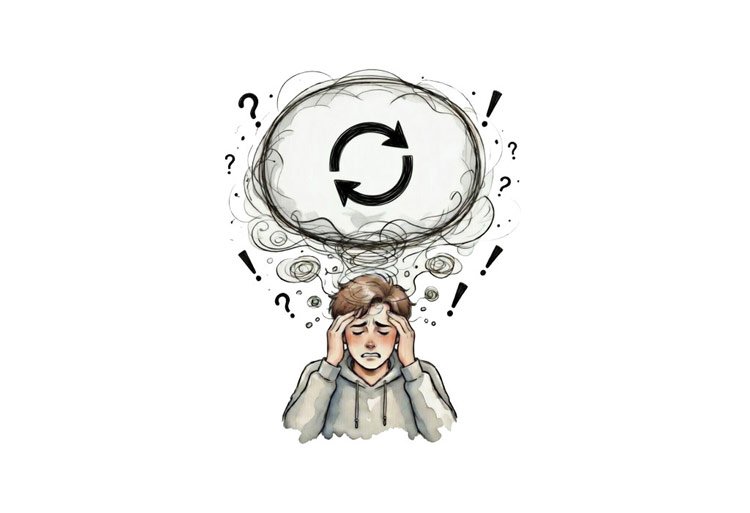
Rumination often feels like mentally ‘going in circles’, thinking about the same thing over and over again, and persistently asking yourself why something happened without ever finding an answer that feels like it is enough. This can keep the unresolved situation alive in the person’s mind far beyond the event occurring, usually due to attempting to figure it out or try to prevent it from happening again.
“Why did I say that? I’m such an idiot!”
“Why did this happen to me? I should have said something. It’s all my fault.”
“Why do I always feel like this? What’s wrong with me?”
“What if I never feel better ever again?”
“Why did I say that? I’m such an idiot!” “Why did this happen to me? I should have said something. It’s all my fault.” “Why do I always feel like this? What’s wrong with me?” “What if I never feel better ever again?”
How Do You Stop or Manage Rumination?
A two-step approach guiding the use of skills and strategies when you catch yourself ruminating is recommended to stop, reduce, or better manage rumination (Nolen-Hoeksema et al., 2008). This starts with the short-term goal of breaking the negative cycle of rumination and lifting the mood, then critically, focusing on following up with a long-term strategy to reduce recurrence and build lasting change.
This structured approach aims to reduce the use of only short-term focused or ineffective strategies, like chronic suppression or maladaptive distractions (e.g., alcohol, substances, binge eating, externalisation), which may temporary mask distress but do not change underlying causes. Several skills outlined in other articles could be used in these approaches and may also be effective for targeting worry.
-
Focus on engaging in pleasant or neutral distractions when you catch yourself in ruminative thinking to break the habit. Even brief distractions can be helpful (Hilt & Pollack, 2012) and options for this could include jogging, swimming, playing with pets, socialising and meeting up with friends, listening to music, games, or any other pleasant/neutral activity.
Try to counter urges for withdrawal and inactivity through behavioural activation to improve current mood and accessing of support. These types of activities could include getting active, going outside, initiating conversations, engaging with hobbies or interests, and doing pleasurable tasks. Activities linked to satisfaction or a sense of accomplishment can also be useful. This could include getting tasks/chores completed like mowing the lawn or washing the car, reorganising a room, being productive with admin work, or even attending to routine everyday tasks.
-
There are several different options to choose from or combine depending on individual circumstances.
Apply active, structured problem-solving for the situation or causes of rumination and distress.
Apply cognitive restructuring to actively understand and question underlying assumptions, cognitive biases, and beliefs which lead to unhelpful thoughts and thinking patterns; then, challenge these to help separate them, shift perspectives, and substitute more adaptive beliefs and thinking rather than passively replaying unhelpful thoughts (Querstret & Cropley, 2013). The role of cognitive biases in maintaining rumination are particularly important in this regard (Watkins, 2015).
Incorporate mindfulness of thoughts or acceptance-based techniques to improve ability to notice thoughts and feelings without judgmental reactions, so that you can gain attentional control, recognise the misperception of a thought’s validity, and reduce the chances of spiralling into ruminative thinking (Querstret & Cropley, 2013). Even brief periods of mindfulness practise has been shown to help get out of ruminative states (Hilt & Pollack, 2012).
Engage in interpersonal therapy, communication skills training, or social problem-solving approaches to help address conflicts that arise in interpersonal situations to improve relationships, build social skills, set effective boundaries, and practise communication, as this can help reduce rumination tied to relational issues.
Focus on developing more activities and behaviours that provide long-term adaptive positive reinforcement and target resolving underlying problems rather than defaulting to short-term strategies, such as constant avoidance through maladaptive distraction. Try to recognise that change is necessary and desirable.
“So, worry and rumination are just overthinking?”
Yet again, the short answer is ‘no’. They are different processes.
Although both rumination and worry share a pattern of repetitive, negative, difficult to control, and self-focused thinking which is mostly verbal and abstract in nature, the most consistent factor that distinguishes them is their temporal orientation. Rumination is typically past focused whereas worry is future focused (Andrews et al., 2018; Olatunji et al., 2013; Stade & Ruscio, 2022). The mind’s ability to ‘mentally time travel’ beyond the present moment (Suddendorf & Corballis, 2007) may underlie each, which can be both a blessing and a curse. A blessing if it facilitates learning, preparation, and prevention of threatening or dangerous situations; and, a curse if the mind gets stuck in a loop replaying painful aspects of what has already happened or generating seemingly endless variations of what else could go wrong and unintentionally torturing us.
As such, worry is a central and defining feature of anxiety disorders, particularly of Generalised Anxiety Disorder (Nolen-Hoeksema et al., 2008; Stade & Ruscio, 2022). Whereas in contrast, rumination is more often associated with depression but is a highly frequent symptom in anxiety disorders (Andrews et al., 2018; Nolen-Hoeksema et al., 2008; Olatunji et al., 2013; Zsido et al., 2023). This has led to rumination being commonly identified as responsible for maintaining both anxiety or depression, but also described as a ‘transdiagnostic cognitive vulnerability’ or as something that increases the risk of developing many mental health disorders (Edgar et al., 2024; Nolen-Hoeksema et al., 2008; Olatunji et al., 2013; Stade & Ruscio, 2022; Watkins, 2015), hence why treatment is so important.

Professional Support for Anxiety
Deciding when to seek professional help for anxiety can be challenging. An indicator which suggests this could be important is when feelings of fear, anxiety, or worry seriously interrupt or get in the way of day-to-day life. This might mean that:
you avoid going to certain places or taking more responsibility at work because you are afraid of what could happen
it no longer feels possible to go out and socialise with friends, or the idea of talking to people or going on a date is too overwhelming
getting ready to go to work or school in the morning or the day before is nerve-racking or takes excessive amounts of time
you feel like there is never enough time to prepare or research to stop things going wrong, and this means you miss out on opportunities
you rely on other people, substances, or other ways of reducing anxiety and feel helpless without being able to engage with them
you notice persistent patterns in your child or teen which stop them from being able to do the same things as their similar aged peers
When these types of issues persist, anxiety and the behavioural changes that result can become more deeply engrained over time. Fortunately, there are multiple different therapy approaches which demonstrate good effectiveness in treatment of anxiety.
Cognitive Behavioural Therapy for Anxiety
Therapy for anxiety can look different for different people, but there are often a lot of common factors. It is recommended that anyone diagnosed with an anxiety disorder receive at least supportive counselling and treatment for the associated emotional difficulties, but many also require formal psychological treatment intervention (Bandelow et al., 2017). Cognitive Behavioural Therapy (CBT) is typically recommended as the first line treatment with the largest amount of evidence consistently supporting its use and is the approach that most people may be familiar with (Andrews et al., 2018; Bandelow et al., 2014; Barlow, 2014; Carpenter et al., 2018; Hofmann et al., 2020; Papola et al., 2024; van Dis et al., 2020).
Cognitive Behavioural Therapy is a practical therapy that can help with identifying, understanding, and changing the unhelpful patterns of thinking and behaviours that keep anxiety or other concerns going. The overall goal is not to totally get rid of fear or anxiety, as some level of it is necessary and helpful, but to learn how to better manage it so that it does not negatively impact life or cause distress (Andrews et al., 2018; Barlow, 2014). Therapy sessions may include things like:
professional assessment and validation of concerns
conversation to develop a greater, nuanced understanding what activates and maintains anxiety for you
worksheets to build greater insight how thoughts can make us feel more fearful or worried, and negatively influence behaviours
learning new skills and strategies to cope more effectively when we do feel anxious, unsure, or overwhelmed
role-plays and sometimes even games to practise applying new responses or ways of thinking
structured planning for how to use new strategies in your life to boost confidence and successful application
Exposure Therapy for Anxiety & Specific Phobias
One of the other most well known ways of overcoming anxiety is through exposure therapy. Exposure therapy is suggested as a critical component of many anxiety treatment interventions and even described by some as providing the most benefit (Carpenter et al., 2018). Exposure techniques essentially represent systematically and repeatedly confronting a feared stimuli to promote the activation of the fear structure to facilitate eventual habituation of the fear response, but critically, doing so in a safe and regulated manner to allow for incorporation of new information into belief structures and replacement of the old pathological elements with more realistic ones (e.g., “I can actually handle this. I don’t like it, but seeing a spider isn’t going to kill me. I can get through it”).
Working with a psychologist allows this process to be personalised and correctly structured into a manageable and gradual process, so that exposure is beneficial instead of traumatising. Sessions can also be combined with other CBT elements to provide necessary coping skills and explicit cognitive restructuring (Barlow, 2014). This sets you up for greater chances of success and minimises common challenges experienced in the approach, such as becoming overwhelmed and fearful of repeat panic attacks. Exposure may also be conducted in real life or in imagination, and research has started examining the benefits of using virtual reality exposure, with promising results (Tan et al., 2025).
Other Treatment Approaches for Anxiety, Worry, and Rumination
There are also varying levels of evidence supporting Dialectical Behaviour Therapy (DBT), Acceptance and Commitment Therapy (ACT), schema therapy, psychodynamic therapies, mindfulness-based therapy and general treatment approaches, as well as specific support for medication, physical activity, relaxation, problem-solving, and combinations or adjuncts of these depending on individual symptom profiles and tailoring of intervention (Andrews et al., 2018; Barlow, 2014; Broocks et al., 1998; Carek et al., 2011; Delaquis et al., 2022; Fortes et al., 2025; Haller et al., 2021; Keefe et al., 2014; Khoury et al., 2013; Locke et al., 2015; Malivoire, 2020; Marchand, 2012; Peeters et al., 2022; Smits et al., 2008; Taylor et al., 2021; Zhang et al., 2022).
General treatment approaches include focusing on improving overall physiological health by targeting the chronically overactivated sympathetic nervous system with interventions to improve sleep, exercise, social connection, and removal of stimulants/substances. For instance, exercise interventions have reported positive improvements in anxiety symptoms after as few as 6 sessions of 20 minutes of treadmill running exercise at 70% of heartrate maximum (Smits et al., 2008). This overlaps with the recommended Australian guidelines for improving physical and mental health, as well as evidence supporting the positive effect of exercise on learning and memory discussed in previous articles. Additionally, exercise can facilitate learning to shift attentional focus to provide a useful mental brake to be able to slow things down by ‘getting out of your thoughts and into your body’.
Frequently the research into different therapy’s effectiveness and treatment outcome stability varies across studies and anxiety disorder subtype. The view that “no treatment is going to work for all patients” (Keefe et al., 2014) is a good reminder that this variance is to be expected. What works for one person may not for another, and conversely, what does not work for one person may for another. At first this can be disheartening but can also show the importance of trying something new to find what does work for you.
Wrapping Up
Anxiety disorders are common mental health conditions that are diagnosed in a wide range of populations. They can have significant debilitating effects that make it far more difficult to achieve what you want to in life due to the excessive and persistent nature of the fear and worry that they represent. Fortunately, there are a wide range of different evidence-based skills and strategies for reducing, stopping, or learning to manage anxiety. Cognitive Behavioural Therapy is the most frequently recommended first line treatment approach for anxiety, though there are many others that can produce lasting change as well. Sometimes improving mood and managing depressive symptoms may also help reduce the impact of anxiety symptoms.
If you or someone you know is constantly fighting with high levels of persistent anxiety or are finding it harder to control constantly worrying, professional support from a psychologist could provide significant relief. Whether you are located in the southside of Brisbane or accessing telehealth sessions, Kelly Brooks Psychology offers warm, professional support, without rushing you. If you feel like you could benefit from therapy sessions for anxiety, feel free to reach out for a chat to discuss suitability and book an appointment today.
References
American Psychiatric Association. (2022). Diagnostic and statistical manual of mental disorders (5th ed., text rev.). https://doi.org/10.1176/appi.books.9780890425787
Andrews, G., Bell, C., Boyce, P., Gale, C., Lampe, L., Marwat, O., Rapee, R., & Wilkins, G. (2018). Royal Australian and New Zealand College of Psychiatrists clinical practice guidelines for the treatment of panic disorder, social anxiety disorder and generalised anxiety disorder. Australian & New Zealand Journal of Psychiatry, 52(12), 1109-1172. https://doi.org/10.1177/0004867418799453
Australian Bureau of Statistics. (2023). National Study of Mental Health and Wellbeing, 2020-2022. ABS. Retrieved from: www.abs.gov.au/statistics/health/mental-health/national-study-mental-health-and-wellbeing/2020-2022
Bandelow, B., Lichte, T., Rudolf, S., Wiltink, J., & Beutel, M. E. (2014). The diagnosis of and treatment recommendations for anxiety disorders. Deutsches Arzteblatt International, 111(27-28), 473–480. https://doi.org/10.3238/arztebl.2014.0473
Bandelow, B., & Michaelis, S. (2015). Epidemiology of anxiety disorders in the 21st century. Dialogues in Clinical Neuroscience, 17(3), 327–335. https://doi.org/10.31887/DCNS.2015.17.3/bbandelow
Bandelow, B., Michaelis, S., & Wedekind, D. (2017). Treatment of anxiety disorders. Dialogues in Clinical Neuroscience, 19(2), 93–107. https://doi.org/10.31887/DCNS.2017.19.2/bbandelow
Barlow, D. H. (Ed.). (2014). Clinical handbook of psychological disorders : A step-by-step treatment manual (Fifth edition.). The Guilford Press.
Broocks, A., Bandelow, B., Pekrun, G., George, A., Meyer, T., Bartmann, U., Hillmer-Vogel, U., & Rüther, E. (1998). Comparison of aerobic exercise, clomipramine, and placebo in the treatment of panic disorder. American Journal of Psychiatry, 155(5), 603–609. https://doi.org/10.1176/ajp.155.5.603
Carek, P. J., Laibstain, S. E., & Carek, S. M. (2011). Exercise for the treatment of depression and anxiety. The International Journal of Psychiatry in Medicine, 41(1), 15–28. https://doi.org/10.2190/PM.41.1.c
Carpenter, J. K., Andrews, L. A., Witcraft, S. M., Powers, M. B., Smits, J. A. J., & Hofmann, S. G. (2018). Cognitive behavioral therapy for anxiety and related disorders: A meta-analysis of randomized placebo-controlled trials. Depression and Anxiety, 35(6), 502–514. https://doi.org/10.1002/da.22728
Craske, M. G., Barlow, D. H., & Woodard, L. S. (2022). Mastery of your anxiety and panic: Brief six-session version for primary care and related settings. Oxford University Press.
Delaquis, C. P., Joyce, K. M., Zalewski, M., Katz, L. Y., Sulymka, J., Agostinho, T., & Roos, L. E. (2022). Dialectical behaviour therapy skills training groups for common mental health disorders: A systematic review and meta-analysis. Journal of Affective Disorders, 300, 66–81. https://doi.org/10.1016/j.jad.2021.12.062
Edgar, E. V., Richards, A., Castagna, P. J., Bloch, M. H., & Crowley, M. J. (2024). Post-event rumination and social anxiety: A systematic review and meta-analysis. Journal of Psychiatric Research, 173, 87–97. https://doi.org/10.1016/j.jpsychires.2024.03.013
Fisher, K., Rice, S. M., Scott, D., Lubman, D. I., Oliffe, J. L., Ogeil, R. P., & Seidler, Z. E. (2025). Young men's anxiety presentations to Australian ambulance services. Journal of Affective Disorders, 384, 98–106. https://doi.org/10.1016/j.jad.2025.05.003
Fortes, P. P., dos Santos-Ribeiro, S., de Salles-Andrade, J. B., Moreira-de-Oliveira, M. E., de Abreu-Cervone, F., de Faro, L. F., & Fontenelle, L. F. (2025). Mindfulness interventions and quality of life in anxiety-related disorders: A systematic review and meta-analysis. Journal of Affective Disorders, 373, 383–393. https://doi.org/10.1016/j.jad.2024.12.103
Greenslade, J. H., Hawkins, T., Parsonage, W., & Cullen, L. (2017). Panic disorder in patients presenting to the emergency department with chest pain: Prevalence and presenting symptoms. Heart, Lung & Circulation, 26(12), 1310–1316. https://doi.org/10.1016/j.hlc.2017.01.001
Haller, H., Breilmann, P., Schröter, M., Dobos, G., & Cramer, H. (2021). A systematic review and meta-analysis of acceptance- and mindfulness-based interventions for DSM-5 anxiety disorders. Scientific Reports, 11, Article 20385. https://doi.org/10.1038/s41598-021-99882-w
Henderson, A., Harris, S. A., Kirkham, T., Charlesworth, J., & Murphy, M. C. (2023). What is the prevalence of General Anxiety Disorder and depression symptoms in semi-elite Australian football players: A cross-sectional study. Sports Medicine - Open, 9(1), 42. https://doi.org/10.1186/s40798-023-00587-3
Hilt, L. M., & Pollak, S. D. (2012). Getting out of rumination: Comparison of three brief interventions in a sample of youth. Journal of Abnormal Child Psychology, 40(7), 1157-1165. https://doi.org/10.1007/s10802-012-9638-3
Hofmann, S. G., Kasch, C., & Reis, A. (2025). Effect sizes of randomized-controlled studies of cognitive behavioral therapy for anxiety disorders over the past 30 years. Clinical Psychology Review, 117, Article 102553. https://doi.org/10.1016/j.cpr.2025.102553
Keefe, J. R., McCarthy, K. S., Dinger, U., Zilcha-Mano, S., & Barber, J. P. (2014). A meta-analytic review of psychodynamic therapies for anxiety disorders. Clinical Psychology Review, 34(4), 309–323. https://doi.org/10.1016/j.cpr.2014.03.004
Kessler, R. C., Ruscio, A. M., Shear, K., & Wittchen, H.-U. (2009). Epidemiology of Anxiety Disorders. In M. Stein & T. Steckler (Eds.), Behavioral Neurobiology of Anxiety and Its Treatment (Current Topics in Behavioral Neurosciences, Vol. 2, pp. 21–35). Springer. https://doi.org/10.1007/7854_2009_9
King, N. J., Eleonora, G., & Ollendick, T. H. (1998). Etiology of childhood phobias: Current status of Rachman’s three pathways theory. Behaviour research and Therapy, 36(3), 297-309. https://doi.org/10.1016/S0005-7967(98)00015-1
Khoury, B., Lecomte, T., Fortin, G., Masse, M., Therien, P., Bouchard, V., Chapleau, M.-A., Paquin, K., & Hofmann, S. G. (2013). Mindfulness-based therapy: A comprehensive meta-analysis. Clinical Psychology Review, 33(6), 763–771. https://doi.org/10.1016/j.cpr.2013.05.005
Linehan, M. M. (2015). DBT skills training manual (2nd ed.). Guilford Press.
Locke, A. B., Kirst, N., & Shultz, C. G. (2015). Diagnosis and management of generalized anxiety disorder and panic disorder in adults. American Family Physician, 91(9), 617–624. https://www.aafp.org/pubs/afp/issues/2015/0501/p617.html
Malivoire, B. L. (2020). Exploring DBT skills training as a treatment avenue for generalized anxiety disorder. Clinical Psychology: Science and Practice, 27(4). https://doi.org/10.1111/cpsp.12339
Marchand, W. R. (2012). Mindfulness-based stress reduction, mindfulness-based cognitive therapy, and Zen meditation for depression, anxiety, pain, and psychological distress. Journal of Psychiatric Practice, 18(4), 233–252. https://doi.org/10.1097/01.pra.0000416014.53215.86
Nolen-Hoeksema, S., Wisco, B. E., & Lyubomirsky, S. (2008). Rethinking rumination. Perspectives on Psychological Science, 3(5), 400–424. https://doi.org/10.1111/j.1745-6924.2008.00088.x
Olatunji, B. O., Naragon-Gainey, K., & Wolitzky-Taylor, K. B. (2013). Specificity of rumination in anxiety and depression: A multimodal meta-analysis. Clinical Psychology: Science and Practice, 20(3), 225–257. https://doi.org/10.1111/cpsp.12037
Papola, D., Miguel, C., Mazzaglia, M., Franco, P., Tedeschi, F., Romero, L., Ostuzzi, G., Gastaldon, C., Karyotaki, E., Harrer, M., Purgato, M., Sijbrandij, M., Patel, A., Patel, V., Furukawa, T. A., Cuijpers, P., & Barbui, C. (2024). Psychotherapies for generalized anxiety disorder in adults: A systematic review and network meta-analysis of randomized clinical trials. JAMA Psychiatry, 81(3), 250–259. https://doi.org/10.1001/jamapsychiatry.2023.3971
Peeters, N., van Passel, B., & Krans, J. (2022). The effectiveness of schema therapy for patients with anxiety disorders, OCD, or PTSD: A systematic review and research agenda. British Journal of Clinical Psychology, 61(3), 579–597. https://doi.org/10.1111/bjc.12324
Querstret, D., & Cropley, M. (2013). Assessing treatments used to reduce rumination and/or worry: A systematic review. Clinical Psychology Review, 33(8), 996-1009. https://doi.org/https://doi.org/10.1016/j.cpr.2013.08.004
Ruscio, A. M., Hallion, L. S., Lim, C. C., Aguilar-Gaxiola, S., Al-Hamzawi, A., Alonso, J., ... & Scott, K. M. (2017). Cross-sectional comparison of the epidemiology of DSM-5 generalized anxiety disorder across the globe. JAMA psychiatry, 74(5), 465-475. https://10.1001/jamapsychiatry.2017.0056
Smits, J. A. J., Berry, A. C., Rosenfield, D., Powers, M. B., Behar, E., & Otto, M. W. (2008). Reducing anxiety sensitivity with exercise. Depression and Anxiety, 25(8), 689–699. https://doi.org/10.1002/da.20411
Stade, E. C., & Ruscio, A. M. (2023). A meta-analysis of the relationship between worry and rumination. Clinical Psychological Science, 11(3), 552–573. https://doi.org/10.1177/21677026221131309
Stinson, F. S., Dawson, D. A., Chou, S. P., Smith, S., Goldstein, R. B., Ruan, W. J., & Grant, B. F. (2007). The epidemiology of DSM-IV specific phobia in the USA: Results from the National Epidemiologic Survey on Alcohol and Related Conditions. Psychological Medicine, 37(7), 1047–1059. https://doi.org/10.1017/S0033291707000086
Suddendorf, T., & Corballis, M. C. (2007). The evolution of foresight: What is mental time travel, and is it unique to humans? Behavioral and Brain Sciences, 30(3), 299–313. https://doi.org/10.1017/S0140525X07001975
Tan, Y. L., Chang, V. Y. X., Ang, W. H. D., Ang, W. W., & Lau, Y. (2025). Virtual reality exposure therapy for social anxiety disorders: a meta-analysis and meta-regression of randomized controlled trials. Anxiety, Stress, & Coping, 38(2), 141–160. https://doi.org/10.1080/10615806.2024.2392195
Taylor, G. M., Lindson, N., Farley, A., Leinberger-Jabari, A., Sawyer, K., Te Water Naudé, R., Theodoulou, A., King, N., Burke, C., & Aveyard, P. (2021). Smoking cessation for improving mental health. The Cochrane Database of Systematic Reviews, 3(3), CD013522. https://doi.org/10.1002/14651858.CD013522.pub2
Vadakkan, C., & Siddiqui, W. (2023). Claustrophobia. In StatPearls. StatPearls Publishing. https://www.ncbi.nlm.nih.gov/books/NBK542327/
van Dis, E. A. M., van Veen, S. C., Hagenaars, M. A., Batelaan, N. M., Bockting, C. L. H., van den Heuvel, R. M., Cuijpers, P., & Engelhard, I. M. (2020). Long-term outcomes of cognitive behavioral therapy for anxiety-related disorders: A systematic review and meta-analysis. JAMA Psychiatry, 77(3), 265–273. https://doi.org/10.1001/jamapsychiatry.2019.3986
Watkins, E. (2015). Psychological treatment of depressive rumination. Current Opinion in Psychology, 4, 32-36. https://doi.org/https://doi.org/10.1016/j.copsyc.2015.01.020
Zhang, Q., Yi, P., Song, G., Xu, K., Wang, Y., Liu, J., & Li, X. (2022). The efficacy of psychodynamic therapy for social anxiety disorder—A comprehensive meta-analysis. Psychiatry Research, 309, Article 114403. https://doi.org/10.1016/j.psychres.2022.114403
Zsido, A. N., Kiss, B. L., Basler, J., Birkas, B., & Coelho, C. M. (2023). Key factors behind various specific phobia subtypes. Scientific Reports, 13(1), 22281. https://doi.org/10.1038/s41598-023-49691-0